
6-Fluoronicotinic Acid CAS 403-45-2 | Supplier

Product Details of 6-Fluoronicotinic Acid
6-Fluoronicotinic Acid uses
⇒If you are looking for high-quality 6-Fluoronicotinic Acid, now is the best time! Not only do we offer preferential prices, but we also ensure that the purity and stability of the product fully meet the highest industry standards. At the same time, our comprehensive after-sales service will escort your every purchase.
Choosing us means choosing quality, professionalism and trust. Please contact us now to get more product details and exclusive quotes. Let us become your reliable long-term partner and move towards success together!
Related Questions:
Q1: What grades of 6-Fluoronicotinic Acid are available?
A: Three grades cover most use cases. Industrial grade works for manufacturing applications where you don’t need regulatory documentation beyond a standard COA — purity typically ≥98.0%. Pure grade (≥99.5%) is what most buyers use for formulation and synthesis work: tighter impurity control, documented test results on the COA. Pharmaceutical grade adds the full documentation package — residual solvents per ICH Q3C, heavy metals ≤20 ppm, batch records, and DMF support if needed. Tell us what the end application is and we can confirm which grade fits.
Q2: What affects the price of 6-Fluoronicotinic Acid?
A: Grade is the biggest driver. Pharmaceutical-grade is meaningfully more expensive than industrial due to the testing burden. After that, order volume matters — 25 kg or more in a single order gets a better unit price than 10-kg samples. Raw material availability can cause price swings, especially for products with limited upstream supply. Packaging format also matters: IBC totes reduce per-kg packaging cost at large volumes. For an accurate quote, specify grade, quantity, packaging, and delivery destination. We quote based on actual requirements, not catalog prices.
Q3: What should I check when evaluating 6-Fluoronicotinic Acid from a new Chinese supplier?
A: Look at the COA first — does it show actual purity numbers or just ‘pass’? Ask what method they use. Karl Fischer for 6-Fluoronicotinic Acid is the standard; ‘complies’ without a method citation tells you little. Request the test result for moisture too, particularly if your application is sensitive to it. Then run the sample yourself. No supplier relationship should skip the incoming QC step on the first order. Production capability questions worth asking: do they test every batch, or spot check? Do they hold retention samples?
Q4: How long does 6-Fluoronicotinic Acid stay stable in storage?
A: Under correct conditions — sealed, cool, dry, away from light — 36 months from manufacture date. That’s for unopened original containers. After opening, reseal immediately and use within a reasonable period. Heat and moisture are the two main accelerators of degradation. If you’re storing in a warehouse that gets hot in summer, that shelf life estimate shrinks. The SDS lists incompatible storage conditions and materials to keep separated.
Q5: Can you supply 6-Fluoronicotinic Acid to custom specifications?
A: Yes, within process capability limits. Tighter purity specs — say ≥99.5% when the standard is ≥98.0% — are achievable with additional purification steps and come at higher cost. Custom packaging formats (non-standard drum sizes, specific labeling) are generally easy to arrange. Additional documentation — specific impurity limits, custom SDS formats, DMF support — can be added to the standard package. Bring the technical requirements when you inquire so we can confirm feasibility and timeline before you commit.
Manufacturer of 6-Fluoronicotinic Acid
1. For products ≤50kg, we recommend using express delivery, which is usually called DDU service (discounted, convenient).
2. For products ≤500kg, we generally recommend air freight, which is usually called FOB, CFR or CIF service (fast and efficient).
3. For products >500kg, we generally recommend shipping by sea, which is usually called FOB, CFR or CIF service (economical, safe).
4. For high-value products, please choose air or express to ensure the safety of product transportation.

 API, usually referring to chemical raw materials, is the active ingredient in chemical drug formulations.
6-Fluoronicotinic Acid Safety Information
Our Laboratory

Our Factory

Professional service

Related Products
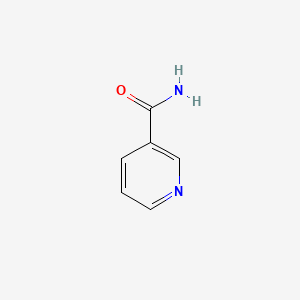
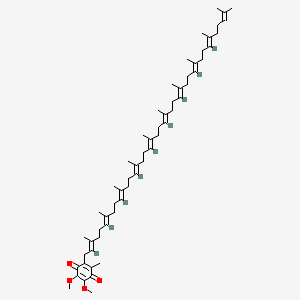
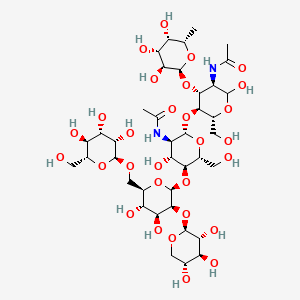
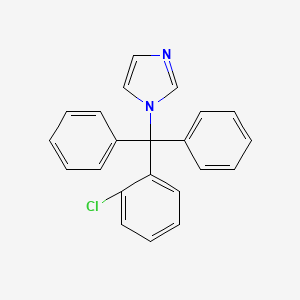


This article was written by William, the chief chemist of Shandong Zhishang New Materials Co., Ltd.
Pubchem-6-Fluoronicotinic Acid