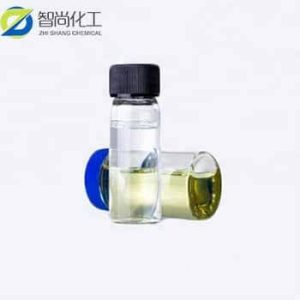
CAS 5451-09-2 | Aminolevulinic Acid Hydrochloride
| CAS No: | 5451-09-2 |
| Formula: | C5H10ClNO3 |
| EINECS: | 226-679-5 |
| Stock Availability: | In stock |
| Brand Name: | Zhishang New Materials |
| Origin: | China |
Product Details of [ Aminolevulinic Acid Hydrochloride ]
Aminolevulinic Acid Hydrochloride(5-Aminolevulinic acid hydrochloride), In fact, it is a stable form of natural small molecule compounds, which can be understood as the “important cornerstone” for the synthesis of hemoglobin and chlorophyll in living organisms. It is now a versatile practitioner, best known in medicine for its use in photodynamic therapy to treat certain cancers and skin diseases, in other words, it uses light to accurately strike bad cells; In agriculture, it can also boost the morale of crops, help them grow better and more robust, and increase yields.
Related Questions:
Simply put, it is a small white or white like powder that is a stable version of the naturally occurring Aminolevulinic Acid Hydrochloride. Because it is made into a hydrochloride salt, it is easier to dissolve in water and better preserved, making it particularly convenient to use. It is considered an indispensable “key component” for synthesizing important substances in living organisms.
The main applications of Aminolevulinic Acid Hydrochloride are twofold: one is for treating diseases, and the other is for farming. In terms of disease treatment, doctors use it to do “photodynamic therapy”, specifically for some skin cancer, bladder cancer or skin diseases, and the effect is very accurate. In terms of farming, farmers use it to spray crops, which can make the leaves greener, photosynthesis stronger, and produce more and better fruits. It can also help crops better resist bad weather such as drought.
This process is quite clever. First, apply Aminolevulinic Acid Hydrochloride to the affected area, as bad cells (such as cancer cells) are more willing to absorb it than good cells. After entering, the cells will convert it into a photosensitive substance called “protoporphyrin IX”. At this point, when illuminated with specific wavelengths of red or blue light, it appears to be “lit up” and produces a powerful reactive oxygen species specifically designed to destroy bad cells, achieving precise treatment with minimal impact on good cells.
Overall, it is safe to use under the guidance of a doctor or instructions, but it is not without any reactions. In places where it is used for treatment in hospitals, there may be temporary redness, swelling, or a burning sensation, and the skin will be particularly sensitive to light during the period of use, so be sure to avoid light. Using Aminolevulinic Acid Hydrochloride in agriculture is environmentally friendly, but it should not be overused, otherwise the crops will not be able to tolerate it.
The usage is not complicated, usually diluted with water and sprayed directly on the leaves or poured on the roots. The effect is tangible, as many experiments have shown that after using it, crops become noticeably greener and stronger, yields can be significantly increased, and fruit quality is also better. Especially when encountering bad weather and poor land conditions, it can help crops’ carry on ‘and reduce losses.
Its biggest advantage is that it is “smart” and gentle. As a precursor, Aminolevulinic Acid Hydrochloride can act more accurately at the lesion site, reducing systemic side effects; Compared to some traditional plant hormones, it decomposes quickly in the natural environment, leaving little residue and being more environmentally friendly. Moreover, it has good water solubility, is easy to mix, and relatively low cost.
It’s not difficult to store, the core is to avoid light, moisture, and low temperature. It is best to seal it with the original bottle and place it in the refrigeration layer of the refrigerator. When using it, it is necessary to prepare the solution according to aseptic procedures in medical practice; In agriculture, it is necessary to strictly follow the recommended concentration, do not add too much by yourself, and avoid spraying during the midday sun toxicity.
There is great potential! Scientists are studying the use of Aminolevulinic Acid Hydrochloride to combat superbugs, assist in diagnosing brain diseases, and even collaborate with immunotherapy to combat cancer. In the field of agriculture, it may be more closely integrated with intelligent fertilization and precision irrigation in the future. Perhaps it can also be of great use in environmental governance in the future.
There are strict rules for production and sales. Drug grade products must be produced in workshops that comply with GMP standards and must be approved by the national drug regulatory department before they can be marketed. Agricultural products must also be registered with relevant departments and sold and used as legitimate agricultural inputs, and cannot be sold and used indiscriminately.
Ordinary people should never buy medicine for themselves, as it must be operated by doctors in hospitals. If you want to use it for farming, you can go to a regular agricultural supply store to buy qualified agricultural grade products, but be sure to carefully read the instructions or consult agricultural technicians. Do not use it arbitrarily, safety is always the top priority.
The Aminolevulinic Acid Hydrochloride New Materials meets international standards. If you have any other questions or would like to place an order, please feel free to contact us at any time.
API, usually referring to chemical raw materials, is the active ingredient in chemical drug formulations.
Safety Of [ Aminolevulinic Acid Hydrochloride CAS 5451-09-2]
| Hazard Codes | Xi,Xn |
| Risk Statements | 36/37/38-66-20/21/22-36/38 |
| Safety Statements | 26-36/37-37/39-36 |
| WGK Germany | 3 |
| RTECS | OI1640000 |
COA Of [ Aminolevulinic Acid Hydrochloride ]
You can contact us to obtain the COA and get free samples.
Contact US
Contact us for free samples of Aminolevulinic Acid Hydrochloride.