Camphor Powder CAS 76-22-2 | Bulk Synthetic & Natural Camphor Supplier

Camphor Powder CAS 76-22-2 | Bulk Synthetic & Natural Camphor Supplier

CAS 76-22-2 | Camphor

CAS No:76-22-2
Formula:C10H16O
EINECS:200-945-0
Stock Availability:In stock
Brand Name:Zhishang New Materials
Origin:China

Product Introduction of Camphor

Camphor (CAS: 76-22-2) is a bicyclic monoterpene ketone widely utilized across the pharmaceutical, personal care, chemical processing, and industrial manufacturing sectors. Chemically known as 1,7,7-trimethylbicyclo[2.2.1]heptan-2-one, Camphor is characterized by its distinct penetrating aromatic odor, crystalline appearance, and volatile nature at ambient temperatures.
 
At Zhishang New Materials, we supply both high-purity synthetic Camphor (DL-Camphor) and naturally derived Camphor (D-Camphor) produced under rigorous quality management systems. Our material meets strict industrial standards, providing formulation chemists and procurement managers with consistent purity, controlled residual limits, and verifiable batch documentation.

Technical Specifications and Physical Parameters

Evaluating the physical and chemical characteristics of Camphor is crucial for ensuring stability in topical preparations, polymer plasticization, and fine chemical synthesis.

  • Chemical Name: Camphor (1,7,7-Trimethylbicyclo[2.2.1]heptan-2-one)

  • CAS Number: 76-22-2

  • Molecular Formula: C10H16O

  • Molecular Weight: 152.23 g/mol

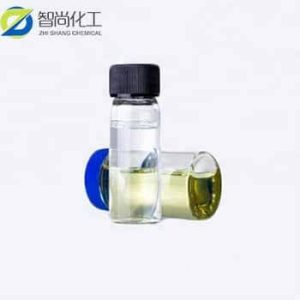
  • Appearance: White or colorless crystalline powder or translucent masses

  • Assay (GC): >= 96.0% (Technical Grade) / >= 98.0% – 101.0% (USP/BP Grade)

  • Melting Range: 174.0 deg C to 179.0 deg C

  • Specific Optical Rotation:

    • Synthetic (DL-Camphor): -1.5 deg to +1.5 deg

    • Natural (D-Camphor): +41.0 deg to +44.0 deg

  • Solubility: Slightly soluble in water; freely soluble in ethanol, chloroform, ether, and carbon disulfide.

Product Packaging

Camphor Powder CAS 76-22-2 | Bulk Synthetic & Natural Camphor Supplier

Application of Camphor

Camphor serves as a critical raw material and functional intermediate across several key market segments:

1. Topical and Personal Care Formulations

In topical processing, Camphor is incorporated as a counter-irritant, cooling agent, and fragrance component in ointments, liniments, balms, and topical creams. Its sublimating nature and mild local cooling effect make it a standard choice for OTC topical applications.

2. Pharmaceutical Processing & Raw Material

As an active ingredient or auxiliary raw material compliant with pharmacopeial monographs (USP, BP, EP), Camphor powder is used in the manufacture of topical pain-relief rubs, nasal inhalant bases, and specialized topical antiseptic preparations.

3. Industrial Chemical Synthesis & Plasticizers

In organic chemical manufacturing, Camphor acts as a key building block for synthesizing chiral catalysts, camphor derivatives, and camphor-based intermediates. Historically and currently, it also serves as a plasticizer for nitrocellulose, plastics, and lacquers.

Synthetic Camphor (DL-Camphor) is produced via chemical synthesis (typically from pinene derived from turpentine) and is an optically inactive racemic mixture. Natural Camphor (D-Camphor) is extracted from the wood of Cinnamomum camphora and exhibits dextrorotatory optical activity (+41 deg to +44 deg). Both types meet high purity standards, though specific pharmacopeial or natural product certifications may dictate which variant your formulation requires.

We accommodate both pilot-scale development and commercial supply. Standard sample MOQs start at 1 kg for testing, while commercial orders are typically supplied in 25 kg drum increments or full pallet shipments.

Camphor readily sublimates at elevated temperatures and room conditions if left uncovered. During processing, it should be dissolved in an appropriate solvent (such as ethanol or oil bases) at controlled temperatures (below 50 deg C where possible) in sealed mixing vessels to minimize vapor loss and maintain formula concentration.
 
Each shipment includes a lot-specific Certificate of Analysis (COA) detailing GC purity, melting point, optical rotation, residual solvents, and heavy metals, along with a multi-language SDS compliant with GHS standards.

Quality Assurance, QC Standards, and Analytical Verification

Maintaining strict quality control is essential when supplying regulated terpene materials to global partners. Every batch of Camphor (CAS: 76-22-2) manufactured and dispatched by Organic Intermediate undergoes complete quality testing:

  • Gas Chromatography (GC): Verification of assay percentage, isomer distribution, and organic impurities.

  • Optical Rotation & Melting Point: Confirming synthetic vs. natural configuration and structural integrity.

  • Residue on Evaporation: Testing to ensure minimal non-volatile matter remains after sublimative processes.

  • Heavy Metal & Impurity Screening: ICP-MS verification for trace heavy metals meeting international regulatory limits.

  • Documentation Provided: Batch Certificate of Analysis (COA), Safety Data Sheet (SDS/MSDS), Technical Data Sheet (TDS), and Origin Declaration.

Camphor is a volatile, flammable solid that requires proper handling and storage protocols to ensure facility safety and product longevity:

  • Storage Conditions: Keep containers tightly closed in a cool, dry, well-ventilated area away from heat sources, open flames, sparks, and strong oxidizing agents. Avoid direct sunlight.

  • Shelf Life: 24 months from the date of manufacture when stored in original unopened packaging below 30 deg C.

  • Packaging Options:

    • 1 kg aluminum foil bags (for laboratory evaluation and small batch R&D)

    • 25 kg fiber drums with double PE inner bag liners (for commercial production runs)

    • Customized bulk packaging upon request

 
Camphor (CAS: 76-22-2) supplied by Organic Intermediate is provided as a raw material and organic intermediate intended for industrial manufacturing, laboratory R&D, and further processing. It is not supplied for direct consumer consumption or direct medical use. Formulators and finished product manufacturers are responsible for verifying that their end products comply with relevant local regulations, including FDA OTC monographs, EU Cosmetic Regulations, or local pharmacopeial guidelines.

Manufacturer of Camphor

📝API, usually referring to chemical raw materials, is the active ingredient in chemical drug formulations.

Camphor Safety Information

Hazard Codes F,Xn,Xi
Risk Statements 11-22-36/37/38-20/21/22
Safety Statements 16-26-37/39
OEBB
OELTWA: 2 mg/m3
RIDADR UN 2717 (CAMPHOR, synthetic)
WGK Germany 1
RTECS EX1225000
Autoignition Temperature870 °F
TSCA TSCA listed
HazardClass 4.1


OrganicIntermediate

OrganicIntermediate is a professional foreign trade enterprise specializing in chemical raw materials. Upholding people-oriented values and cooperating with reliable manufacturers, we aim to become the world’s most trusted chemical supplier. Our production plant is located 50 meters south of the intersection of North Ring Road and 13th Road, Chenwang Street, Juancheng County, Heze City, Shandong Province. Our R&D laboratory is situated at R&D Base : F5, Yinfeng Biomedical City, Free Trade Zone, Jinan, Shandong. Integrating R&D and production, we strictly control product quality. With stable supply and sincere service, we welcome global customers for consultation and procurement.

Our Laboratory
Laboratory and Gas Chromatograph at Shandong Zhishang New Materials Co., Ltd.
Our Factory
The factory of Shandong Zhishang New Materials Co., Ltd.
Professional service
Related Products

Get COA

GET MSDS

Get a Free Quote

Get a Free Quote