Bulk Coenzyme Q10 Powder CAS 303-98-0 | Fermentation Grade Ubidecarenone
Product Introduction of Coenzyme Q10
Chemical Properties and Physical Parameters
Comprehensive physical and chemical specification testing is essential for formulators and quality control teams incorporating Ubidecarenone into industrial product matrices.
Chemical Name: Ubidecarenone / Coenzyme Q10
CAS Number: 303-98-0
Molecular Formula: C59H90O4
Molecular Weight: 863.34 g/mol
Structural Classification: Benzoquinone compound (10-isoprenoid units)
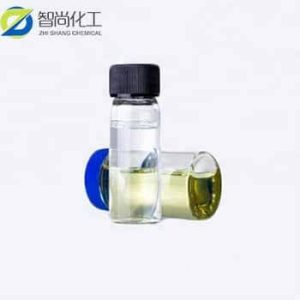
Appearance: Yellow to orange crystalline powder
Assay (Purity): 98.0% – 101.0% (Calculated on anhydrous basis via HPLC)
Production Source: Microbial bio-fermentation (Trans-isomer configuration)
Melting Point: 48.0°C – 52.0°C
Solubility: Insoluble in water; sparingly soluble in ethanol; freely soluble in chloroform, ether, and vegetable oils.
Product Packaging
Application of Coenzyme Q10
Related Questions:
Q1: What is the difference between bio-fermented Coenzyme Q10 and synthetic variants?
Q2: How can I resolve solubility challenges when formulating liquid or emulsion products with CoQ10?
Because CoQ10 is water-insoluble, it should be dissolved into an oil phase heated slightly below 50°C prior to emulsification, or processed using liposomal microencapsulation techniques to maintain stable dispersion in aqueous matrices.
Q3: What documentation is provided with bulk commercial orders?
Q4: What is the minimum order quantity (MOQ) for bulk procurement?
We accommodate both R&D laboratory evaluation and commercial production runs. Sample quantities are available starting from 100g to 1kg, with commercial packaging available up to 25kg fiber drums.
Processing Recommendations and Stability Management
Formulating with Coenzyme Q10 requires precise handling due to its physical sensitivity to thermal and environmental factors:
Light and Heat Sensitivity: Ubidecarenone degrades under prolonged exposure to ultraviolet light and temperatures exceeding its melting point (52°C). Processing should be conducted under amber lighting or temperature-controlled mixing vessels.
Bioavailability Enhancement: Because raw CoQ10 powder is highly lipophilic and forms large crystalline aggregates, formulators frequently combine it with medium-chain triglycerides (MCT oils), lecithin, or self-emulsifying drug delivery systems (SEDDS) to improve dissolution kinetics.
Particle Size Control: Standard crystalline powder can be micronized or spray-dried with hydrophobic carriers to improve dissolution rates in solid dose applications.
To guarantee batch uniformity and compliance with international pharmacopeial standards (USP/EP), every lot of Coenzyme Q10 undergoes strict multi-step testing:
Chromatographic Assay: High-Performance Liquid Chromatography (HPLC) verification for purity, trans-isomer ratio, and related substance limits.
Residual Solvent Analysis: Gas Chromatography (GC) testing ensuring compliance with ICH guidelines for residual solvents.
Heavy Metal Screening: Inductively Coupled Plasma Mass Spectrometry (ICP-MS) verifying strict limits for lead, arsenic, cadmium, and mercury.
Microbiological Controls: Total aerobic microbial count (TAMC), total combined yeast/mold count (TYMC), and pathogen-free testing.
Coenzyme Q10 (CAS: 303-98-0) supplied by Organic Intermediate is distributed exclusively as an industrial raw material for manufacturing, processing, and laboratory research.
Documentation Package: Each batch is accompanied by a batch-specific Certificate of Analysis (COA), Safety Data Sheet (SDS / MSDS), Non-GMO Certification, BSE/TSE-Free Statement, and Kosher/Halal compliance statements where applicable.
Regulatory Notice: Formulators and finished product manufacturers are responsible for ensuring that their final consumer products adhere to local regulatory standards (such as US FDA dietary supplement GMPs, EU Novel Food guidelines, or regional cosmetic directives).
Packaging Options: Vacuum-sealed inner double-layer PE bags placed inside aluminum foil light-barrier bags, packed in 1 kg tins, 5 kg foil bags, or 25 kg fiber drums.
Storage Conditions: Store in well-sealed containers in a dark, dry, cool place (recommended below 20°C). Keep protected from light, high moisture, and elevated temperatures.
Shelf Life: 24 months from the date of manufacture when stored in original unopened packaging under specified storage conditions.
Manufacturer of Coenzyme Q10
API, usually referring to chemical raw materials, is the active ingredient in chemical drug formulations.
Coenzyme Q10 Safety Information
| Hazard Codes | Xi |
| Risk Statements | 36/37/38 |
| Safety Statements | 22-24/25-26 |
| WGK Germany | 3 |
| RTECS | DK3900000 |
| F | 8-10 |
| TSCA | TSCA listed |
| HS Code | 29146990 |
| Storage Class | 11 – Combustible Solids |
OrganicIntermediate is a professional foreign trade enterprise specializing in chemical raw materials. Upholding people-oriented values and cooperating with reliable manufacturers, we aim to become the world’s most trusted chemical supplier. Our production plant is located 50 meters south of the intersection of North Ring Road and 13th Road, Chenwang Street, Juancheng County, Heze City, Shandong Province. Our R&D laboratory is situated at R&D Base : F5, Yinfeng Biomedical City, Free Trade Zone, Jinan, Shandong. Integrating R&D and production, we strictly control product quality. With stable supply and sincere service, we welcome global customers for consultation and procurement.
Our Laboratory
Our Factory
Professional service
Related Products
This article was written by William, the chief chemist of Shandong Zhishang New Materials Co., Ltd.
Pubchem-Coenzyme Q10