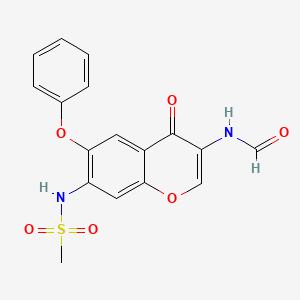
The molecular formula of quinine

CAS 130-95-0 | Quinine

CAS No:130-95-0
Formula:C20H24N2O2
EINECS:205-003-2
Stock Availability:In stock
Brand Name:Zhishang New Materials
Origin:China
Product Details of [ Quinine Powder ]​

Quinine is a natural alkaloid extracted from the bark of the cinchona tree, and behind its unique bitterness lies a legendary history spanning hundreds of years. In the past few centuries, it has been the only effective weapon for treating malaria, known as the “malaria nemesis”, saving countless lives. Although modern medicine has developed a new generation of safer and more efficient antimalarial drugs, quinine has not completely exited the historical stage. It still plays a role in specific medical contexts, such as the treatment of severe malaria. At the same time, it has also transformed into an indispensable flavor soul in our daily lives.

This story mixes legend and history. The most widely circulated theory is that in 17th century Peru, a Spanish Countess who was suffering from malaria was saved on her deathbed by the local indigenous people using a powder ground from tree bark. This type of tree is called the Golden Chicken Tree. Later, Jesuit missionaries brought this “secret recipe” back to Europe, and “Jesuit bark” became popular as a spiritual medicine for treating “intermittent fever” (i.e. malaria). It was not until 1820 that French scientists successfully isolated the two active ingredients, quinine and cinchonine, from it, marking the beginning of its modern applications.

This process is very intricate. After invading human red blood cells, malaria parasites engulf a large amount of hemoglobin as a nutrient, but at the same time produce a toxic byproduct – hemoglobin. Quinine molecules can be inserted into the body of malaria parasites during the ongoing detoxification process, inhibiting the action of a key enzyme and preventing the conversion of toxic hemoglobin into non-toxic substances. The result is that toxins accumulate continuously in the malaria parasite’s body, ultimately killing itself and achieving the therapeutic goal.

Quinine is no longer the first choice of drug for treating simple malaria. The World Health Organization recommends artemisinin-based combination therapies as first-line drugs because they take effect faster and are better tolerated. However, quinine still holds significant clinical value in the treatment of malaria during pregnancy, severe malaria (especially when oral medication is not available, intravenous dosage forms can be used), and in specific cases of resistance to other drugs.

The current consensus is very cautious. Although early research confirmed that quinine can reduce the excitability of motor nerve endings, thereby alleviating muscle spasms, subsequent findings have shown that its potential risks (especially the possibility of causing fatal arrhythmias and severe thrombocytopenia) far outweigh its benefits. Therefore, authoritative agencies such as the FDA in the United States have clearly not approved its use for treating leg cramps. Doctors now prioritize investigating the cause of recurrent leg cramps (such as electrolyte imbalances, blood circulation problems, etc.) and recommend physical therapies such as fluid replacement and stretching.

Side effects can be mild or severe and require high vigilance. Mild symptoms include a group known as the “golden chicken reaction”: tinnitus, hearing loss, headache, nausea, blurred vision, etc., which usually recover after discontinuation of medication. But serious side effects that require immediate medical attention include: ① systemic allergic reactions (such as rash, difficulty breathing); ② Bleeding tendency (such as unexplained bruising and gum bleeding, which may be related to thrombocytopenia caused by quinine); ③ Cardiotoxicity (such as palpitations and fainting, indicating possible impact on cardiac rhythm).

This is a typical evolutionary process of ‘one foot higher on the road, one zhang higher on the demon’. After genetic mutation, some malaria parasites produce a transport pump called “P-glycoprotein” on their cell membrane. The function of this “pump” is very powerful, which can actively “pump” quinine drugs that enter the parasite out of the cell, thereby reducing the effective concentration of the drug in the body, allowing the malaria parasite to survive and reproduce under drug attack, ultimately forming a drug-resistant population.

This is mainly a trade-off between economic cost and process complexity. The total synthesis of quinine in 1944 is indeed a monument in the history of chemistry, proving human intelligence, but its synthesis steps are very complicated, the overall yield is low, resulting in extremely high costs, and it cannot compete with direct extraction from plants. Therefore, to this day, commercially valuable quinine mainly comes from artificially planted cinchona trees in Congo, Indonesia, and other places. This’ semi natural ‘approach ensures purity and supply while having much lower costs.

The Quinine Powder of Zhishang New Materials meets international standards. If you have any other questions or would like to place an order, please feel free to contact us at any time.

News:In the bark of the cinchona tree, there are two structurally similar but functionally different alkaloids Cinchonidine And Quinine

Safety Of [ Quinine Powder CAS 130-95-0]​
Hazard Codes Xn,Xi
Risk Statements 36/37/38-42/43-22-20/22-20/21/22-36/38
Safety Statements 22-26-36/37-45-37/39-36-7
RIDADR 1544
WGK Germany 3
RTECS VA6020000
F 8
COA Of [ Quinine CAS 130-95-0 ]​

You can contact us to obtain the COA and get free samples.

Contact US

Contact us for free samples of Quinine Powder CAS 130-95-0.

zhishang api
Related Products

Get a Free Quote

Get a Free Quote